New World Screwworm Threat in Texas: Detection, Monitoring, and Wildlife Management

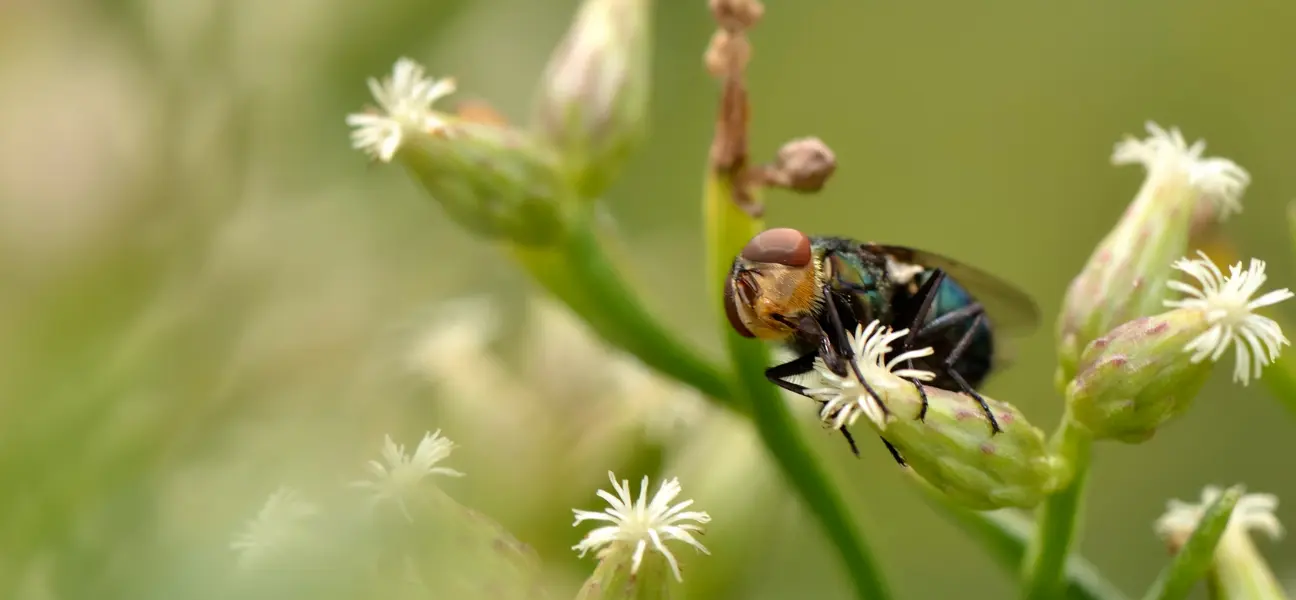
A Screwworm infestation doesn't just sicken an animal. A single untreated wound can kill it in days, and the fly spreads fast across open range. After being eradicated from the U.S. decades ago, the New World Screwworm is moving north again through Mexico, and as of June 27, 2026, there are 26 New World Screwworm cases in Texas.
WHAT IS THE NEW WORLD SCREWWORM, AND WHY IS TEXAS AT RISK?
The New World Screwworm is one of the most destructive livestock and wildlife parasites in the Western Hemisphere. Unlike common blowflies that lay eggs in dead or decaying tissue, female New World Screwworm flies deposit their eggs in fresh, open wounds. Once the eggs hatch, the larvae feed on healthy, living tissue, causing a condition known as myiasis. Even small cuts, branding sites, ear tags, or the navels of newborn animals can become entry points for infestation. If left untreated, these wounds rapidly worsen and can become fatal.
The United States successfully eradicated the New World Screwworm decades ago through the Sterile Insect Technique, a groundbreaking program developed by scientists Edward F. Knipling and Raymond C. Bushland in Texas. Sterile male flies were released in large numbers, causing the wild population to collapse. For years, a biological barrier in Panama prevented the pest from moving north. However, outbreaks detected in Panama in 2023 spread through Central America and into Mexico before crossing into Texas in 2026. On June 3, 2026, the first Texas case was confirmed in a calf in Zavala County, marking the parasite's return to the state after decades of eradication. Since then, additional cases have been confirmed in multiple Texas counties, prompting an aggressive response by the Texas Animal Health Commission (TAHC), the U.S. Department of Agriculture (USDA), and other state and federal partners. Response efforts include quarantines, surveillance, epidemiological investigations, and continued releases of sterile flies to contain and eliminate the outbreak.
The threat extends well beyond the cattle industry. New World Screwworm readily infests cattle, horses, sheep, goats, whitetail deer, and many exotic game species, making it a significant concern for Texas ranches and wildlife operations. Because Texas supports the nation's largest cattle herd, millions of acres of managed wildlife habitat, and extensive populations of free-ranging and high-fence game animals, the state is especially vulnerable to widespread impacts should the parasite become established. Wildlife presents a unique challenge because free-ranging animals cannot be routinely inspected or treated, allowing infestations to go undetected and potentially sustain local fly populations. As a result, early detection, frequent monitoring, and rapid reporting are critical components of Texas' response strategy.
HOW TO IDENTIFY NEW WORLD SCREWWORM
Most infestations are first discovered by observing an animal rather than the adult fly. Wounds infested with New World Screwworms typically become larger instead of healing and often produce a foul odor.
Affected animals often become restless and irritated, shaking their heads, biting or licking at the wound, and separating themselves from the herd. As the infestation progresses, animals may become lethargic, lose their appetite, and experience rapid declines in body condition.
If the adult fly is a metallic blue blow fly with three dark stripes running along the thorax and distinctive orange eyes. It closely resembles the harmless secondary Screwworm fly, but unlike that species, the New World Screwworm lays its eggs in open wounds where the larvae feed on living tissue.
RESOURCE LIST FOR RANCHERS AND WILDLIFE MANAGERS
- Texas Animal Health Commission (TAHC): State Reporting Line
- USDA APHIS: Federal Screwworm Hotline (1-800-550-1234)
- Your Local Large-Animal Veterinarian
- County Extension Agent screwworm@ag.tamu.edu (Texas A&M AgriLife)
(Note: Always confirm a suspected case with a veterinarian or state animal-health official. Screwworm is a reportable disease.)
WHY THERMAL DRONE SURVEYS MATTER FOR SCREWWORM MONITORING
While thermal drone surveys cannot detect New World Screwworms directly, they can provide valuable information for monitoring wildlife health and identifying potential impacts of an outbreak. Thermal imaging makes it possible to locate animals across large properties, while a high-resolution visible camera can be used to evaluate individuals from a safe distance without causing unnecessary disturbance.
When an animal appears lethargic, isolated, or otherwise abnormal, a Sky Senderos drone can use its 56× optical zoom camera to inspect it more closely for visible signs of injury, abnormal behavior, or wounds that may warrant a hands-on examination. Although this technology cannot confirm the presence of Screwworm larvae, it can help ranch managers identify animals that should be inspected or treated before conditions worsen.
Thermal surveys also provide an efficient way to monitor wildlife populations over time. Newborn fawns are among the most vulnerable animals because Screwworm flies commonly infest unhealed navels shortly after birth. By documenting fawn recruitment and survival from year to year, landowners can recognize unexpected declines that may indicate disease, predation, habitat issues, or other emerging management concerns.
Because thermal drones can survey thousands of acres in a single flight, they offer a comprehensive view of wildlife across an entire ranch rather than relying on observations from a limited number of trail cameras or ground surveys. Establishing consistent population baselines allows changes in herd size, recruitment, and distribution to be detected much earlier.
Repeated surveys create a historical record of herd health that can be especially valuable during disease or parasite outbreaks. While no aerial survey can diagnose New World Screwworm, routine monitoring can help identify abnormal mortality, locate animals that appear unwell, and provide objective data to support timely management decisions and evaluate recovery over time. Whether you're establishing a wildlife baseline, monitoring fawn recruitment, or tracking herd health, consistent data leads to better management decisions. Request a free quote here to learn how a thermal drone survey can help monitor the impacts of New World Screwworm on your wildlife.

.webp)
.webp)